
Is the $360 Moccamaster Actually Special? An Engineer's Teardown
A mechanical inspection of the iconic Dutch drip machine. Does handcrafted copper-element heating justify a 10x price premium over standard coffee makers?
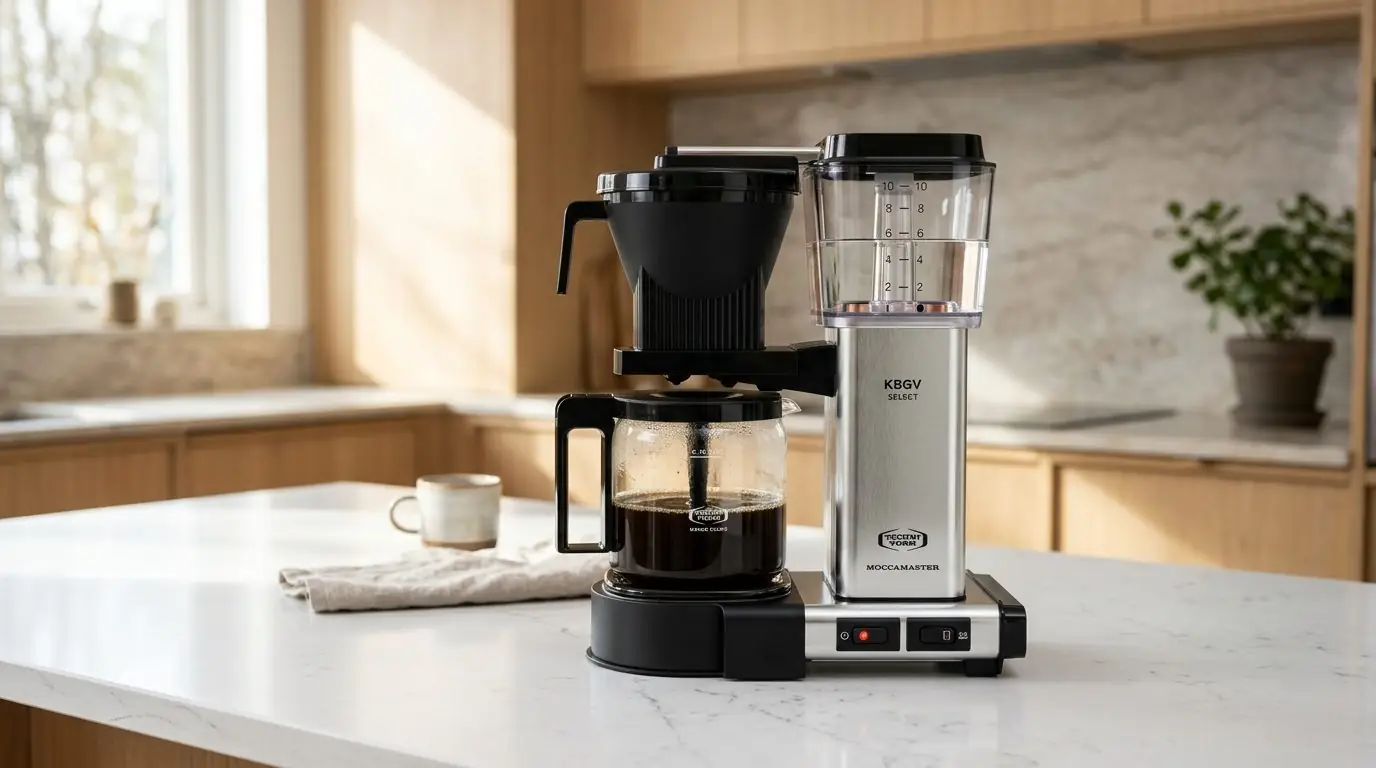
In the disposable wasteland of small domestic appliances, the modern drip coffee maker is usually an $30 plastic shell destined for a landfill within three years. Its aluminum heating coil scales up with calcium, its soldered thermal fuse blows, and its glued plastic casing makes repair impossible.
Then there is the Technivorm Moccamaster KBGV Select.
Priced at an eye-watering $360, this rectangular industrial machine looks less like a gadget from a department store and more like laboratory equipment from a 1970s physics institute. It has been hand-built in Amerongen, the Netherlands, since 1968 by Gerard-Clement Smit and his successors.
Design aficionados revere it for its mid-century Scandinavian silhouette. Specialty coffee purists swear by its European Coffee Brewing Centre (ECBC) certification.
So we ask the critical consumer question: Is a $360 drip brewer genuinely special? Or are consumers paying a 900% premium for European retro aesthetics?
Listen to the 45-Second Verdict
Studio voice briefing • No fluff • Zero ads
1. The Teardown: Copper Thermodynamics vs. Cheap Aluminum
To understand why the Moccamaster commands its price, you must unscrew the aluminum baseplate and inspect its heating architecture.
       Standard $35 Coffee Maker                  Technivorm Moccamaster ($360)
 ┌──────────────────────────────────────┐     ┌──────────────────────────────────────┐
 │ • Stamped Aluminum Tube              │     │ • Pure Heavy Copper Boiling Element  │
 │ • Slow thermal transfer              │     │ • Instantaneous 1,450W heat transfer │
 │ • Water hits grounds at 78°C - 88°C  │     │ • Water hits grounds at 92°C - 96°C  │
 │ • Result: Flat, sour, under-extracted│     │ • Result: Golden-cup SCA extraction  │
 │ • Glued housing (disposable)         │     │ • Zero glue, 100% modular screws     │
 └──────────────────────────────────────┘     └──────────────────────────────────────┘
The Copper Element Advantage:
Standard consumer drip machines use a stamped aluminum horseshoe element clamped to a hotplate. They take 3 to 4 minutes to warm up, pumping lukewarm water (75°C to 85°C) over the coffee grounds. This results in sour, under-extracted liquid because coffee extraction requires an exact thermal window between 92°C and 96°C (198°F–205°F).
The Moccamaster features a massive, heavy copper boiling element. Within 6 seconds of flipping the power switch, water flash-boils and shoots up the borosilicate glass tube at precisely 93.5°C. It saturates the coffee bed at the scientifically optimal brewing temperature throughout the entire brew cycle.
2. Reparability: The Antidote to Planned Obsolescence
Where the Moccamaster truly separates itself from 99% of modern appliances is in its mechanical modularity:
- Zero Glue Construction: Every component—from the dual-phase power switches to the thermostat, float switch, and silicone delivery tubes—is assembled with standard mechanical screws.
- Factory Spare Parts for 40-Year-Old Units: You can visit Technivorm’s website today and purchase an individual glass tube, lid, switch, or rubber foot for a unit built in 1982. A handy homeowner with a standard Torx screwdriver can replace any component in under 10 minutes.
- 5-Year Manufacturer Warranty: While competitors offer 90 days to 1 year, Technivorm backs the machine with a 5-year guarantee, with typical operational lifespans easily exceeding 15 to 20 years.
3. The Compromises: Where It Falls Short
At $360, a product must endure ruthless scrutiny, and the Moccamaster is far from flawless:
- The 9-Hole Showerhead Flaw: The chrome-plated outlet arm drips water from nine small holes in a straight line. Without manual stirring during the first 30 seconds (the “bloom” phase), the perimeter grounds in the filter basket often remain partially dry, requiring user babysitting for optimal extraction.
- Glass Carafe Heat Management: The classic model uses a glass pot sitting on an independent heating element. While the hotplate intelligently steps down its wattage after brewing, keeping brewed coffee on an open hotplate beyond 20 minutes scorches the delicate chlorogenic acids, turning it unpleasantly bitter. (We strongly recommend either drinking it immediately or opting for the Thermal Carafe KBGT model).
- No Automatic Timers or Digital Programmability: If you desire a machine that automatically wakes up at 6:30 AM to brew before your alarm rings, the analog Moccamaster will frustrate you. It has two physical toggle switches and zero digital timers.
The True Cost-Per-Use (CPU) Equation
Can an upfront purchase make rational economic sense over cheaper disposable alternatives? Here is the actual mathematical equation of long-term ownership:
The Real Long-Term Economics
Drag the sliders to see how an heirloom investment compares to disposable alternatives.
💎Technivorm Moccamaster KBGV Select
Initial price: $360 (1-time purchase)
✓ 0 replacements needed • Lifetime warranty
⚠️Budget Plastic Drip Maker
Initial price: $50 (chips every 3 years)
7 pots sent to landfill
Mathematical Insight: Over 20 years, the premium cookware saves you $70 in replacements and prevents 6 pots from going to a landfill.
4. The Special Index Breakdown
Is It Special?
✓What Makes It Special
- •Pure copper heating element delivers true 92°C–96°C SCA brewing temperature in seconds
- •Handmade in the Netherlands with 100% modular, glue-free reparability
- •Brews a full 10-cup (1.25L) batch in under 5 minutes
- •Timeless mid-century Scandinavian design available in 20+ powder-coated finishes
- •Factory spare parts available for decades; 5-year warranty
✕Where The Hype Fails
- •Very expensive ($360) compared to mainstream coffee makers
- •Showerhead arm requires manual stirring for perfectly uniform saturation
- •No digital clock, programmable auto-brew timers, or smartphone apps
- •Glass hotplate can scorch coffee if left sitting past 20 minutes
Check Real-Time Pricing & Stock
*Transparency: As an independent reviewer, we may earn a small referral commission at zero extra cost to you.
5. The Unvarnished Verdict
If your definition of “special” is a high-tech gadget packed with digital displays, smartphone notifications, and automated timers, the Technivorm Moccamaster will seem preposterously overpriced.
However, if you value industrial integrity—an appliance made of heavy aluminum and copper, built by human hands in the Netherlands, designed never to be thrown away, and capable of holding a tight 94°C extraction for a generation—the Moccamaster justifies its premium.
It has minor quirks that prevent a perfect 10/10 score, but in a world of disposable plastic junk, it earns a resounding 8.4/10: A Solid Standard of Heirloom Craft.
Did you find this investigation helpful?
Give a heart to endorse 100% independent, sponsor-free product criticism.
✓ Recorded! Thank you for supporting independent testing.
IsItSpecial WhatsApp
Never miss an unvarnished teardown. Get instant drop notifications, verified buying links, and price alerts directly inside WhatsApp.
Join IsItSpecial Channel→Never miss an unvarnished verdict.
Deep materials science, industrial design history, and honest de-influencing. Zero corporate sponsored fluff. Unsubscribe anytime.
Powered by Substack • 100% spam-free • One-click unsubscribe
Is It Special Editorial Desk
Appliance Engineering & Thermal Dynamics CriticWritten by our independent product & cultural testing desk. We purchase our own subjects, reject corporate sponsorship, and test items under everyday conditions to filter true quality from marketing hype.
Related Investigations
More critical teardowns in Craft & Design
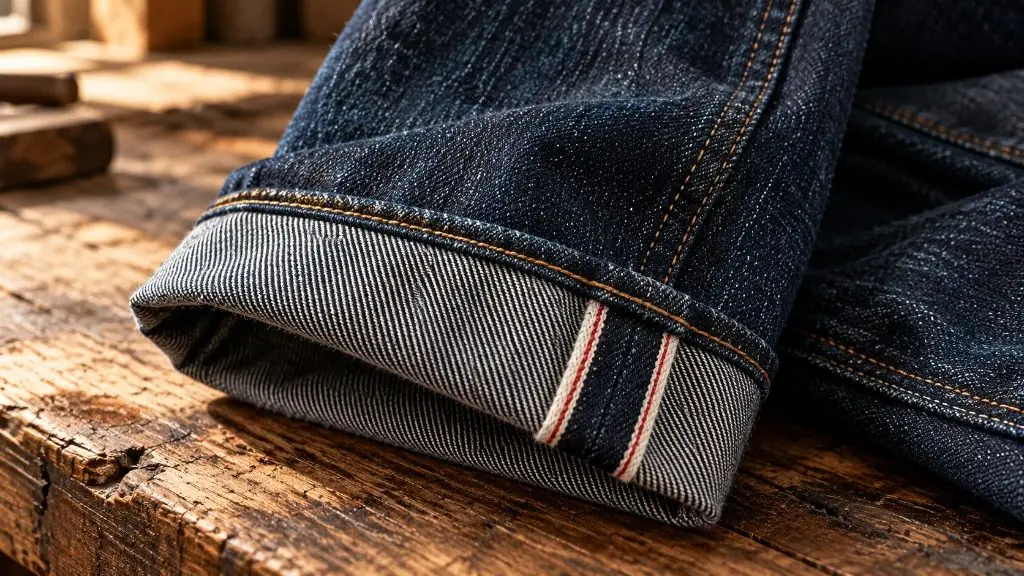
Is Japanese Selvedge Denim Actually Special? Or Raw Fashion Pretension?
Why denim nerds happily pay $300 for jeans woven on vintage 1950s Toyoda shuttle looms in Okayama, Japan.
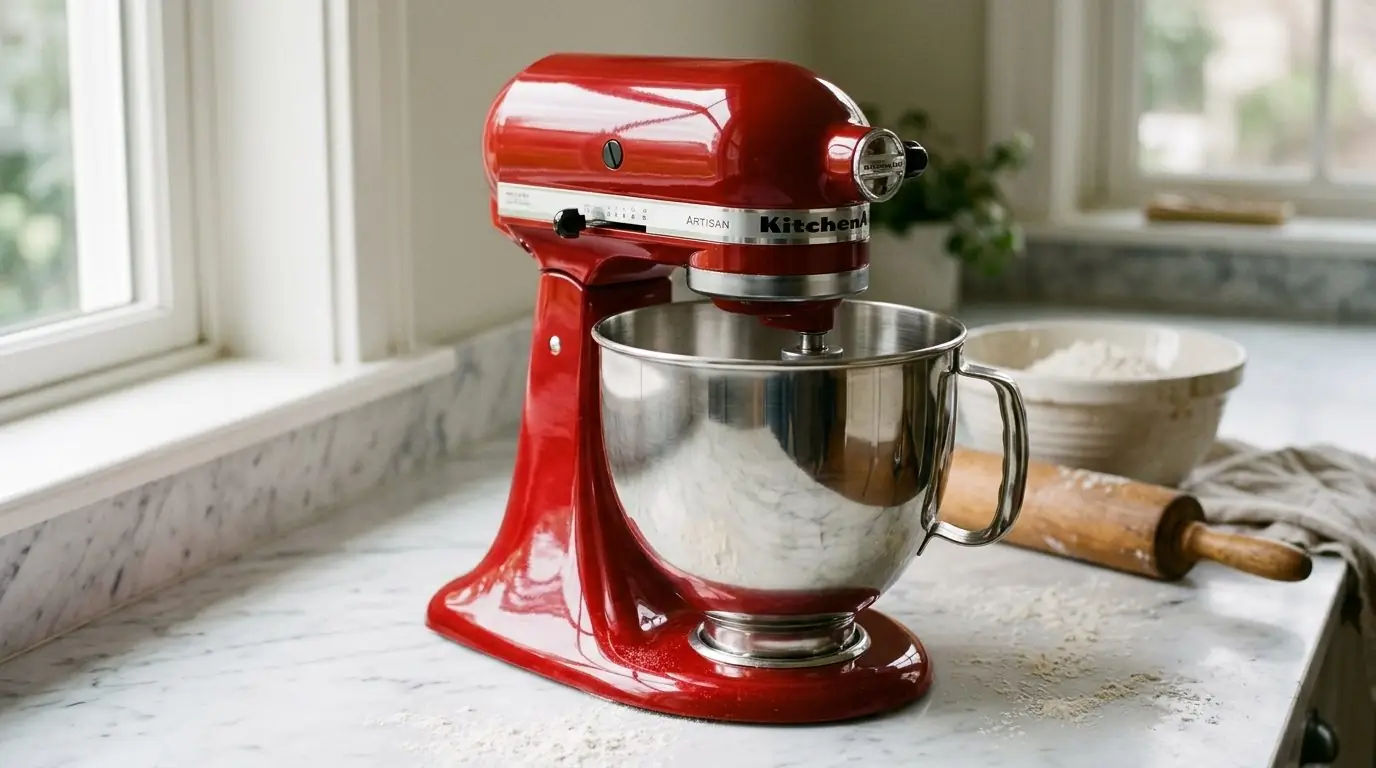
Is the $450 KitchenAid Artisan Stand Mixer Actually Special? Or Just Countertop Decor?
A mechanical autopsy of the world's most famous stand mixer. Why planetary gearboxes and 26 pounds of die-cast zinc crush modern plastic appliances, and where its mechanical limits lie.
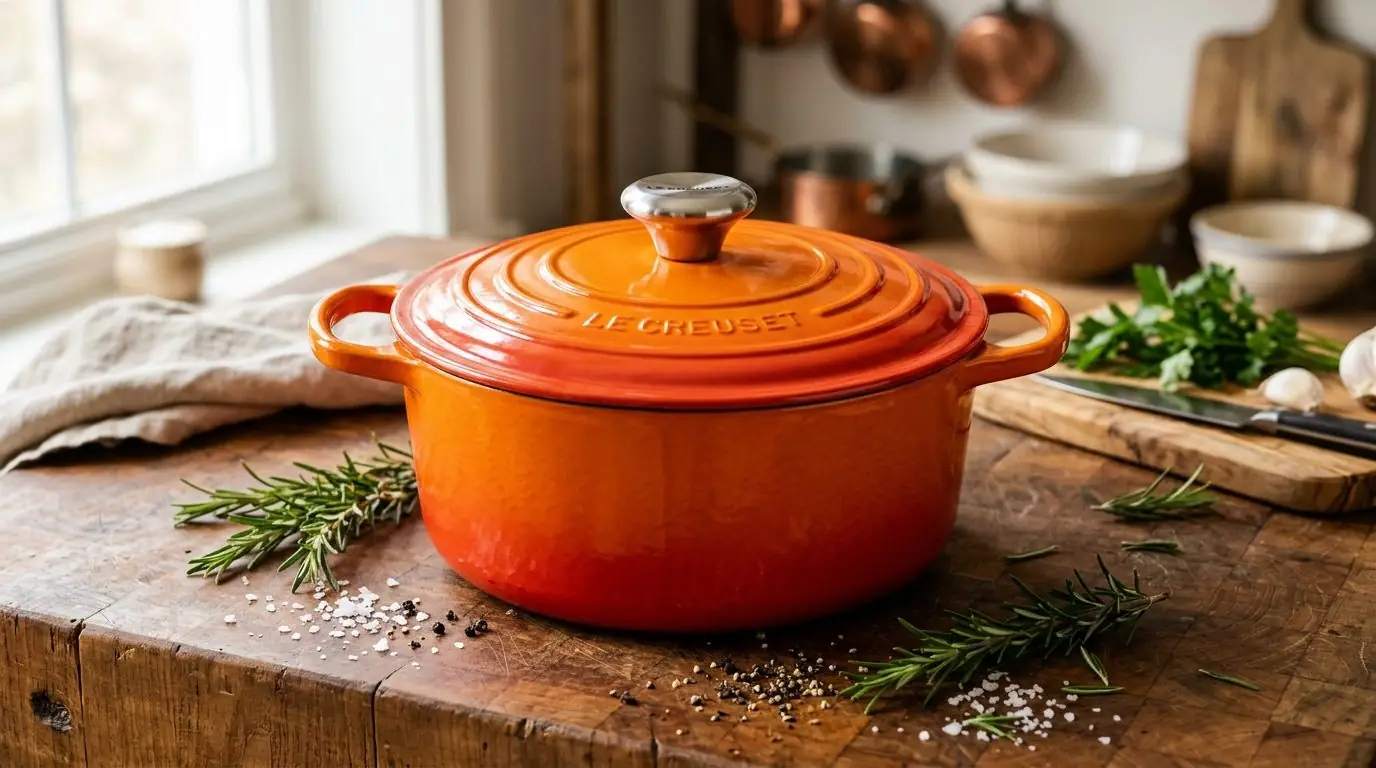
Is the $420 Le Creuset Dutch Oven Actually Special? Or Culinary Vanity?
A metallurgical inspection of France's iconic enameled cast iron cocotte. Why vitreous glass fused at 800°C outlasts cheap enamel, and whether it justifies a 600% price premium over Lodge.

Is the $25 Lodge Cast Iron Skillet More Special Than a $300 Luxury Non-Stick Pan?
Why high-tech chemical non-stick cookware ends up in a landfill within three years, while a chunk of molten iron from Tennessee lasts four generations.