
Is the $25 Lodge Cast Iron Skillet More Special Than a $300 Luxury Non-Stick Pan?
Why high-tech chemical non-stick cookware ends up in a landfill within three years, while a chunk of molten iron from Tennessee lasts four generations.
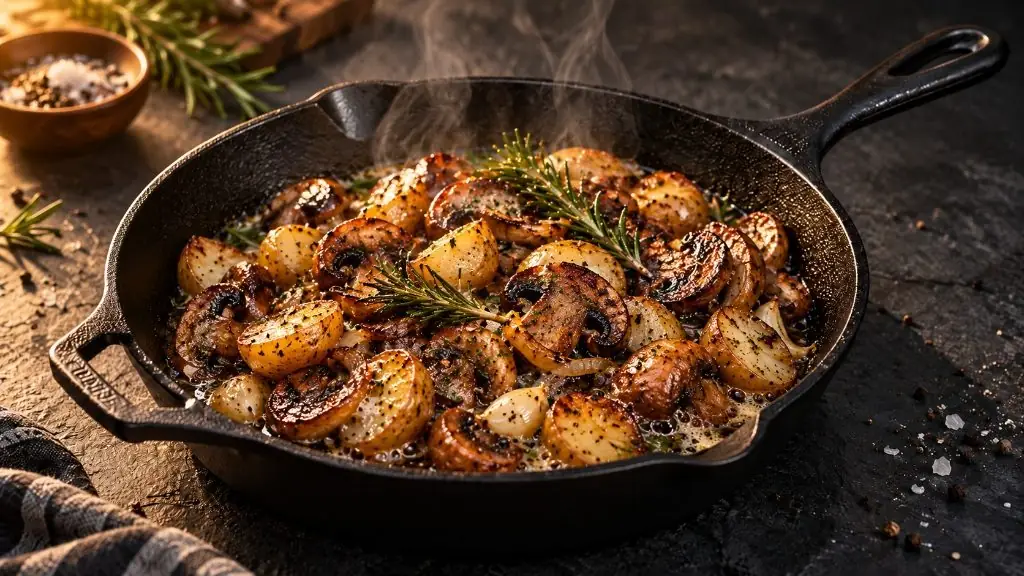
Walk into any high-end kitchen retailer and you will be greeted by walls of Teflon, ceramic, titanium-infused, diamond-coated non-stick frying pans priced between $150 and $350. They arrive in pristine pastel hues with promises of frictionless omelets and effortless cleanup.
Yet, ask any master line cook or thermodynamic physicist what they use at home, and they will point to a heavy, crude black disk made in South Pittsburg, Tennessee: the Lodge 10.25-inch Cast Iron Skillet, currently selling for under $25.
So we ask: Is this $25 slab of cast iron genuinely special? Or is it an antiquated burden in the age of modern non-stick coatings?
Listen to the 45-Second Verdict
Studio voice briefing • No fluff • Zero ads
1. The Thermodynamics: Why Mass Equals Flavor
The primary reason cooking with thin non-stick pans often yields disappointing, gray, waterlogged meat is simple physics: thermal mass.
When a cold steak or chicken breast hits a lightweight aluminum pan, the surface temperature drops by 150°F instantly. Instead of searing, the protein boils in its own juices.
A Lodge skillet weighs over five pounds of dense iron. It absorbs a colossal reservoir of thermal energy. When protein touches the iron, the temperature does not flinch—triggering the Maillard reaction (the rapid caramelization of amino acids and sugars) that creates a deep, crunchy, restaurant-grade crust.
2. The 100-Year Lifespan Paradox
Consider the lifecycle comparison between luxury non-stick pans and cast iron:
- The $200 Non-Stick Pan: PTFE (Teflon) and ceramic sol-gel coatings are mechanically delicate. Even with silicone spatulas and hand-washing, the non-stick polymer micro-scratches and degrades under high heat within 2 to 4 years. Once the coating peels, the entire pan must be thrown away.
- The $25 Lodge Skillet: It cannot be ruined. If it rusts, you scrub it with steel wool. If you burn cheese to a crisp, you scrape it off. You rub a drop of vegetable oil across the surface, bake it for an hour, and the polymerized oil creates a naturally slick, chemical-free patina that improves every time you cook bacon.
3. The Real-World Drawbacks
To be clear, cast iron is not without friction:
- Heft: At 5.4 lbs, single-handed flipping requires significant forearm strength.
- Thermal Handle Conductance: The iron handle gets searingly hot; you must use a silicone grip or folded towel.
- Acid Sensitivity: Simmering heavy tomato sauces or wine reductions for hours can strip the seasoning and impart a metallic taste.
The True Cost-Per-Use (CPU) Equation
Can an upfront purchase make rational economic sense over cheaper disposable alternatives? Here is the actual mathematical equation of long-term ownership:
The Real Long-Term Economics
Drag the sliders to see how an heirloom investment compares to disposable alternatives.
💎Lodge 10.25-Inch Cast Iron Skillet
Initial price: $22 (1-time purchase)
✓ 0 replacements needed • Lifetime warranty
⚠️Coated Non-Stick Frying Pan
Initial price: $35 (chips every 2 years)
7 pots sent to landfill
Mathematical Insight: Over 20 years, the premium cookware saves you $70 in replacements and prevents 6 pots from going to a landfill.
4. The Final Verdict
The Lodge Cast Iron skillet is one of the rare products where the cheapest item on the market is also the most durable, capable, and enduring. It is the definition of an anti-consumerist treasure.
Is It Special?
✓What Makes It Special
- •Superior thermal retention yields incomparable searing
- •Naturally non-stick seasoning that regenerates with use
- •Virtually indestructible — lasts for multiple human generations
- •Costs less than a restaurant dinner
✕Where The Hype Fails
- •Heavy to lift and wash (over 5 lbs)
- •Handle conducts intense heat
- •Not ideal for long, slow acidic simmering (tomatoes/wine)
Check Real-Time Pricing & Stock
*Transparency: As an independent reviewer, we may earn a small referral commission at zero extra cost to you.
Did you find this investigation helpful?
Give a heart to endorse 100% independent, sponsor-free product criticism.
✓ Recorded! Thank you for supporting independent testing.
IsItSpecial WhatsApp
Never miss an unvarnished teardown. Get instant drop notifications, verified buying links, and price alerts directly inside WhatsApp.
Join IsItSpecial Channel→Never miss an unvarnished verdict.
Deep materials science, industrial design history, and honest de-influencing. Zero corporate sponsored fluff. Unsubscribe anytime.
Powered by Substack • 100% spam-free • One-click unsubscribe
Is It Special Editorial Desk
Culinary Hardware & Materials CriticWritten by our independent product & cultural testing desk. We purchase our own subjects, reject corporate sponsorship, and test items under everyday conditions to filter true quality from marketing hype.
Related Investigations
More critical teardowns in Craft & Design
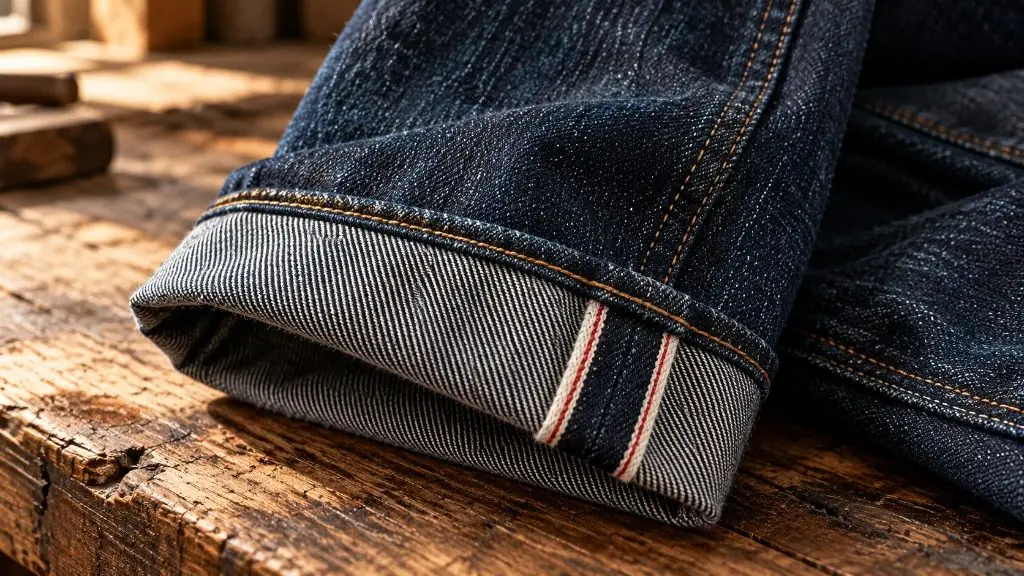
Is Japanese Selvedge Denim Actually Special? Or Raw Fashion Pretension?
Why denim nerds happily pay $300 for jeans woven on vintage 1950s Toyoda shuttle looms in Okayama, Japan.
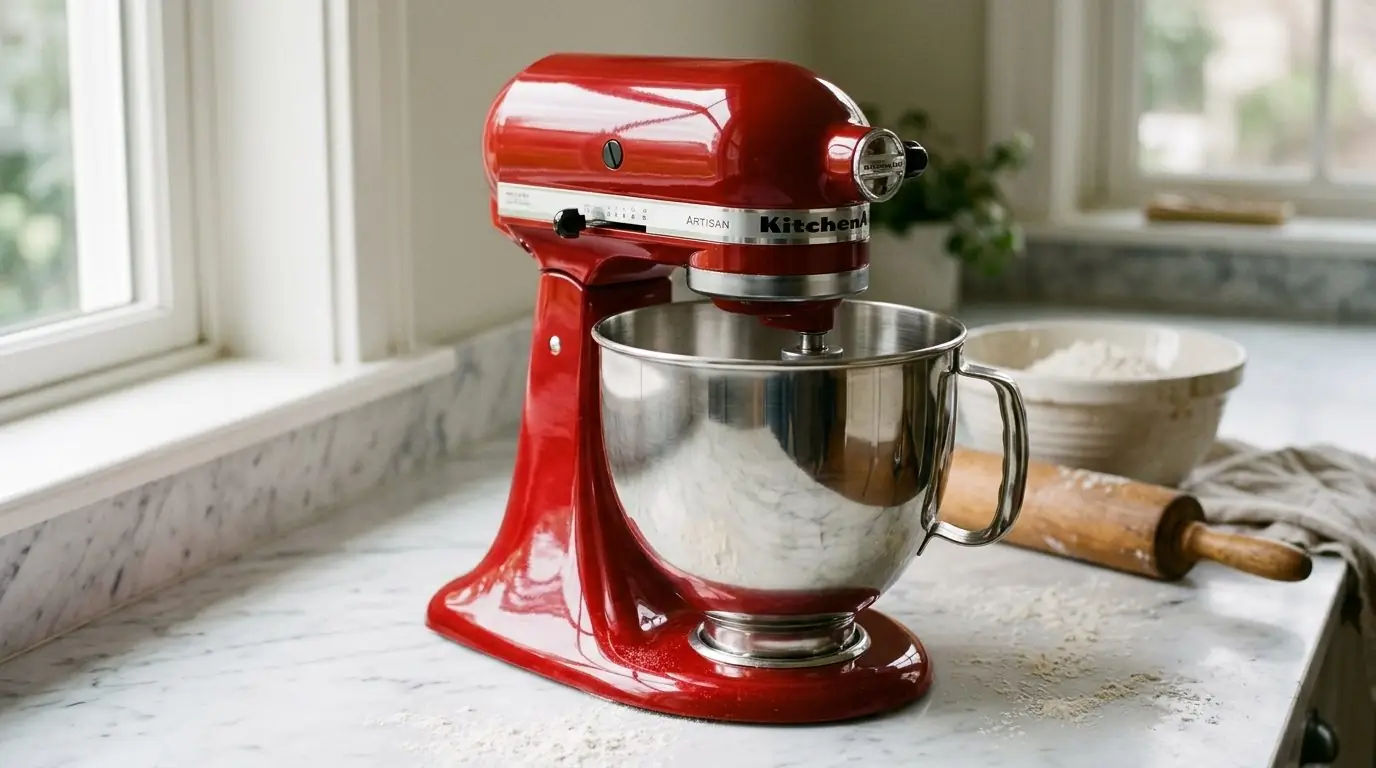
Is the $450 KitchenAid Artisan Stand Mixer Actually Special? Or Just Countertop Decor?
A mechanical autopsy of the world's most famous stand mixer. Why planetary gearboxes and 26 pounds of die-cast zinc crush modern plastic appliances, and where its mechanical limits lie.
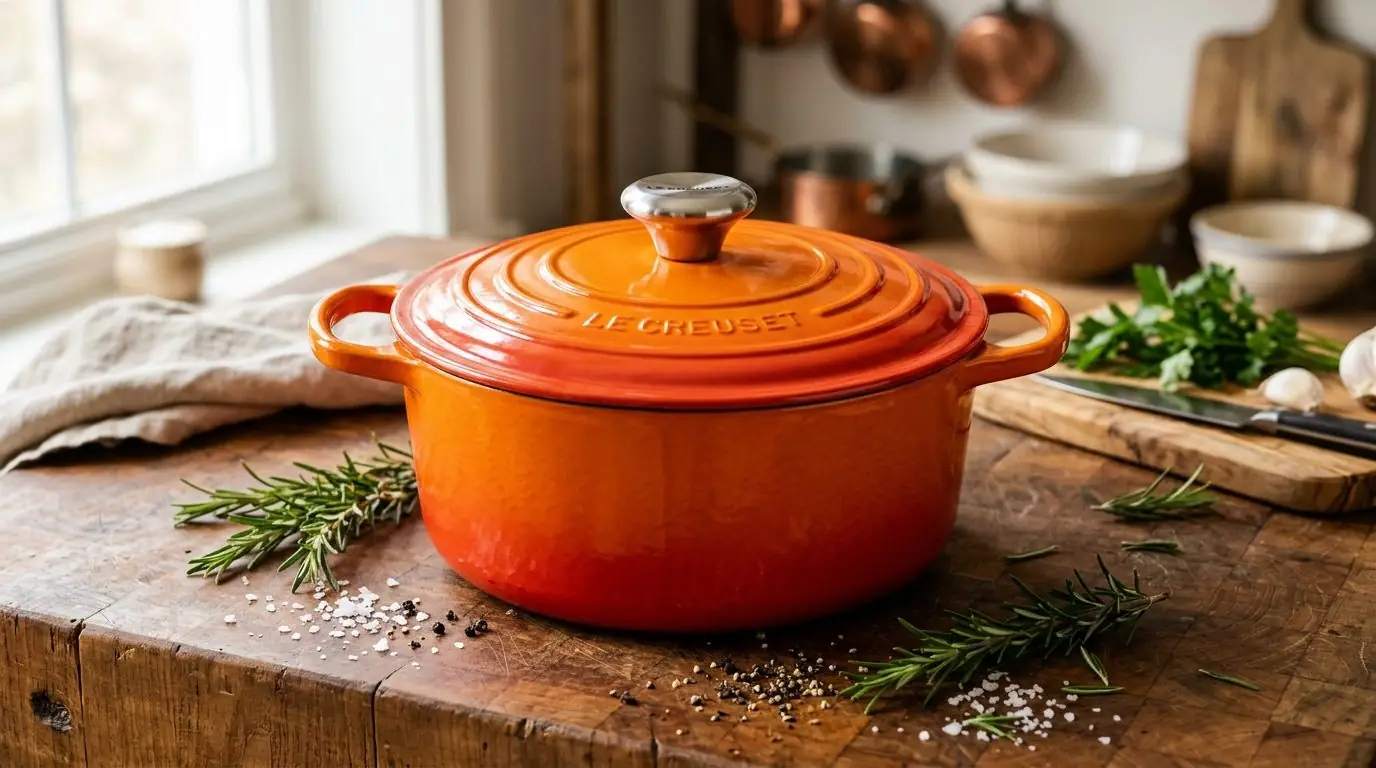
Is the $420 Le Creuset Dutch Oven Actually Special? Or Culinary Vanity?
A metallurgical inspection of France's iconic enameled cast iron cocotte. Why vitreous glass fused at 800°C outlasts cheap enamel, and whether it justifies a 600% price premium over Lodge.
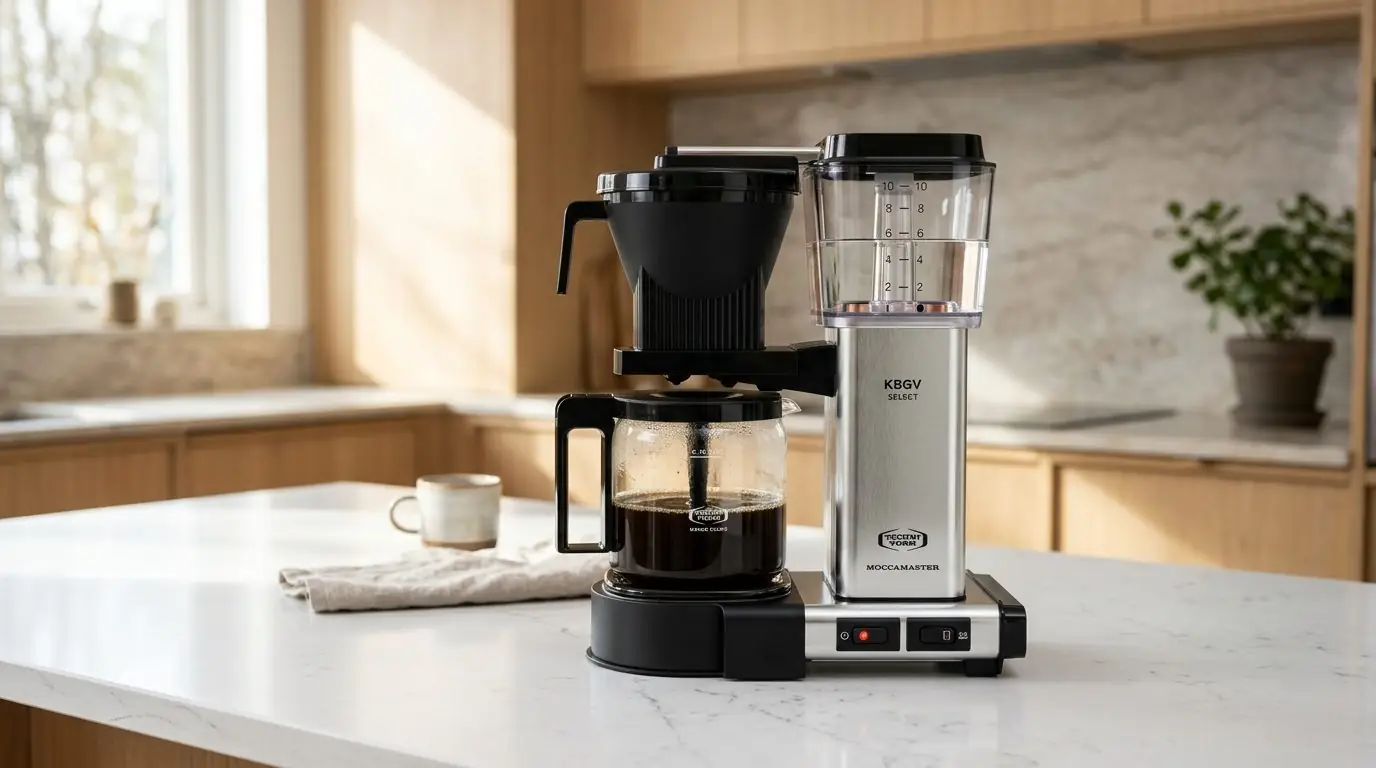
Is the $360 Moccamaster Actually Special? An Engineer's Teardown
A mechanical inspection of the iconic Dutch drip machine. Does handcrafted copper-element heating justify a 10x price premium over standard coffee makers?