
Is the $420 Le Creuset Dutch Oven Actually Special? Or Culinary Vanity?
A metallurgical inspection of France's iconic enameled cast iron cocotte. Why vitreous glass fused at 800°C outlasts cheap enamel, and whether it justifies a 600% price premium over Lodge.
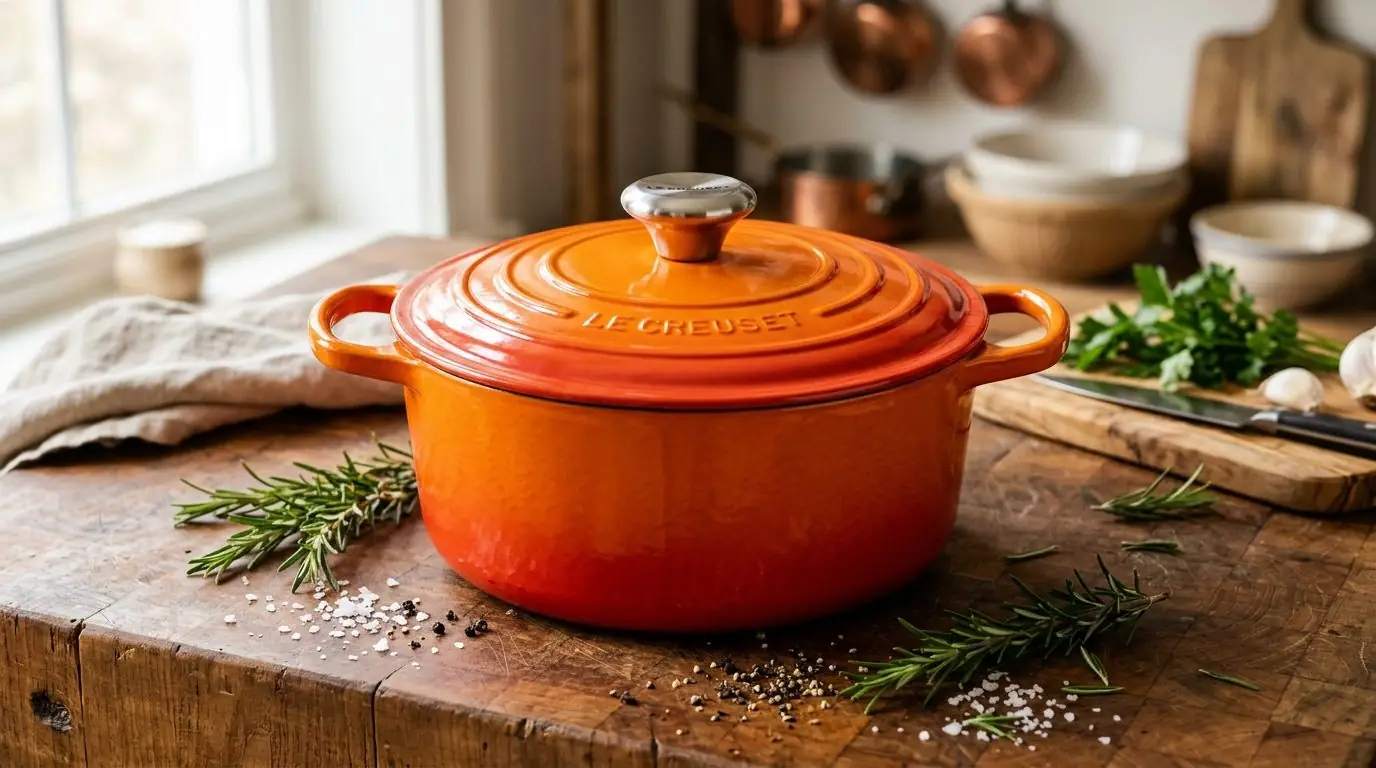
In the world of high-end culinary gear, few objects carry the status symbol weight of a flame-orange Le Creuset Dutch Oven (or cocotte). Sitting conspicuously on the back burner of celebrity chef kitchens, Michelin-starred tasting rooms, and Architectural Digest home tours, this French enameled vessel commands an astonishing retail price of $420 for a 5.5-quart round pot.
Meanwhile, sitting on the bottom shelf of your local supermarket is an enameled Dutch oven made by Lodge or Amazon Basics priced at $70.
Both are heavy chunks of cast iron covered in colored enamel. Both cook braised short ribs, bake crusty sourdough bread, and simmer tomato sauces.
So we ask the uncompromising consumer question: Is a $420 Le Creuset genuinely special from an engineering and metallurgical perspective? Or are consumers paying a 500% premium for French heritage branding and Instagram status?
Listen to the 45-Second Verdict
Studio voice briefing • No fluff • Zero ads
1. The Metallurgy: Vitreous Enamel vs. Cheap Paint-Like Glaze
To understand why a Le Creuset survives for 60 years while a $60 budget enameled pot chips within 18 months, one must examine the molecular physics of vitreous enamel.
Enamel is not paint; it is powdered borosilicate glass fused to molten iron inside a blast furnace.
       Budget $70 Enameled Pot                    Le Creuset Dutch Oven ($420)
 ┌──────────────────────────────────────┐     ┌──────────────────────────────────────┐
 │ • Automated mass-poured iron         │     │ • Sand mold destroyed after 1 pour   │
 │ • Low-temperature glaze firing       │     │ • 800°C 3-coat vitreous glass fusion │
 │ • Thin enamel layer (~0.8 mm)        │     │ • High-elasticity thick glass layers │
 │ • Prone to micro-crazing and thermal │     │ • Thermal shock resistant: matches   │
 │   shock peeling within 1-2 years     │     │   cast iron expansion coefficient    │
 │ • Made in China (opaque sourcing)    │     │ • Handcrafted in Fresnoy-le-Grand    │
 └──────────────────────────────────────┘     └──────────────────────────────────────┘
The Sand Mold & The Single Pour:
Since 1925, every single Le Creuset piece has been manufactured in the same foundry in Fresnoy-le-Grand, France.
- Two individual sand molds are hand-packed for each pot.
- Molten iron at 1,400°C (2,550°F) is poured into the cavity.
- The moment the iron solidifies, the sand molds are destroyed. No two pots ever share the same mold.
- Human artisans inspect every casting, discarding any piece with microscopic air bubbles or wall thickness variations exceeding fractions of a millimeter.
The Glass Chemistry:
Where cheap enamel fails is thermal expansion mismatch. Cast iron expands when heated on a stove; glass expands at a different rate. If the glass formula lacks precise elasticity, heating the pot causes microscopic fracture lines (known as crazing). Once food and water penetrate those micro-cracks, the enamel violently chips off into your food.
Le Creuset uses a proprietary multi-layer vitreous glass formula baked at 800°C (1,470°F). Its thermal expansion coefficient is chemically calibrated to match the underlying cast iron core perfectly, allowing it to withstand sudden shifts from a searing 250°C oven directly to a cold prep marble counter without crazing.
2. Thermal Mass & The Physics of the Heavy Lid
A standard sauté pan suffers from extreme temperature drops the moment you place cold meat onto its surface.
A 5.5-quart Le Creuset weighs 11.4 pounds (5.2 kg) of dense gray iron. This massive thermal mass acts as a culinary thermal battery:
- Zero Searing Drop: Dropping a cold 2-pound chuck roast onto the preheated surface causes virtually zero drop in surface temperature, triggering immediate Maillard reaction caramelization rather than watery boiling.
- The Precision Fit Lid: The lid alone weighs over 3 pounds. Machined to micro-millimeter flatness, it forms an almost airtight natural steam seal. As moisture evaporates, it condenses on the underside of the heavy lid and cascades evenly back into the braise, resulting in 40% less fluid loss over a 4-hour braise compared to lightweight stainless steel pots.
- Light Sand Interior Chemistry: Unlike raw cast iron (which reacts negatively with acidic tomatoes, lemon juice, and red wine), the smooth sand-colored interior is totally non-reactive. Furthermore, the light color allows chefs to visually monitor the browning of butter fond with total precision—an impossibility on pitch-black surfaces.
3. The Flaws: Where the Prestige Hurts
Even a $420 French heirloom has real-world friction:
- Massive Physical Weight: At over 11 lbs empty (and nearly 16 lbs filled with stew), lifting, washing, and retrieving a Le Creuset from a low kitchen cabinet demands serious wrist and shoulder strength.
- Thermal Shock Vulnerability: While dramatically more durable than budget competitors, it is still glass. Running cold tap water into a screaming-hot Le Creuset can crack the base, voiding the warranty.
- The Phenolic vs. Stainless Knob Trap: Older Le Creuset models come with black composite plastic knobs rated only to 390°F (200°C), which melt if used for high-temperature sourdough bread baking at 475°F. (Current Signature models now include the superior stainless steel knob).
4. The True Cost-Per-Use (CPU) Equation
Can a $420 pot ever make rational economic sense over a $70 supermarket alternative? Let us run the actual mathematical equation of long-term ownership:
The Real Long-Term Economics
Drag the sliders to see how an heirloom investment compares to disposable alternatives.
💎Le Creuset 5.5-Qt Dutch Oven
Initial price: $420 (1-time purchase)
✓ 0 replacements needed • Lifetime warranty
⚠️Budget $70 Enameled Pot
Initial price: $70 (chips every 3 years)
7 pots sent to landfill
Mathematical Insight: Over 20 years, the premium cookware saves you $70 in replacements and prevents 6 pots from going to a landfill.
5. The Special Index Breakdown
Is It Special?
✓What Makes It Special
- •Proprietary 800°C multi-coat vitreous enamel resists crazing, chipping, and staining for decades
- •Heavy 11.4 lb thermal mass provides unbeatable searing and braising temperature stability
- •Smooth sand-colored non-reactive interior allows cooking acidic sauces and monitoring browning fond
- •Precision-weighted lid traps moisture for tender, low-liquid slow braising
- •Lifetime manufacturer warranty backed by an operating French foundry since 1925
✕Where The Hype Fails
- •Very high initial price tag ($420 for 5.5-quart)
- •Significant physical weight (exhausting for cooks with limited wrist strength)
- •Cannot use abrasive metal scouring pads or sudden ice-water thermal shocks
Check Real-Time Pricing & Stock
*Transparency: As an independent reviewer, we may earn a small referral commission at zero extra cost to you.
6. The Unvarnished Verdict
If you buy a Le Creuset simply to display on an open kitchen shelf as an aesthetic flex, you are buying a $420 piece of jewelry.
However, if you cook with it, the metallurgical differences between Le Creuset and budget alternatives are undeniable. A $70 budget enameled pot will chip, craze, and end up in a landfill within three to five years. A Le Creuset will be handed down to your grandchildren with its mirror-smooth glass enamel intact.
It is expensive, it is heavy, and it is unapologetically luxurious. But on the Special Index, it earns an authentic 9.3/10: A True Gem.
Did you find this investigation helpful?
Give a heart to endorse 100% independent, sponsor-free product criticism.
✓ Recorded! Thank you for supporting independent testing.
IsItSpecial WhatsApp
Never miss an unvarnished teardown. Get instant drop notifications, verified buying links, and price alerts directly inside WhatsApp.
Join IsItSpecial Channel→Never miss an unvarnished verdict.
Deep materials science, industrial design history, and honest de-influencing. Zero corporate sponsored fluff. Unsubscribe anytime.
Powered by Substack • 100% spam-free • One-click unsubscribe
Is It Special Editorial Desk
Metallurgy & Culinary Physics CriticWritten by our independent product & cultural testing desk. We purchase our own subjects, reject corporate sponsorship, and test items under everyday conditions to filter true quality from marketing hype.
Related Investigations
More critical teardowns in Craft & Design
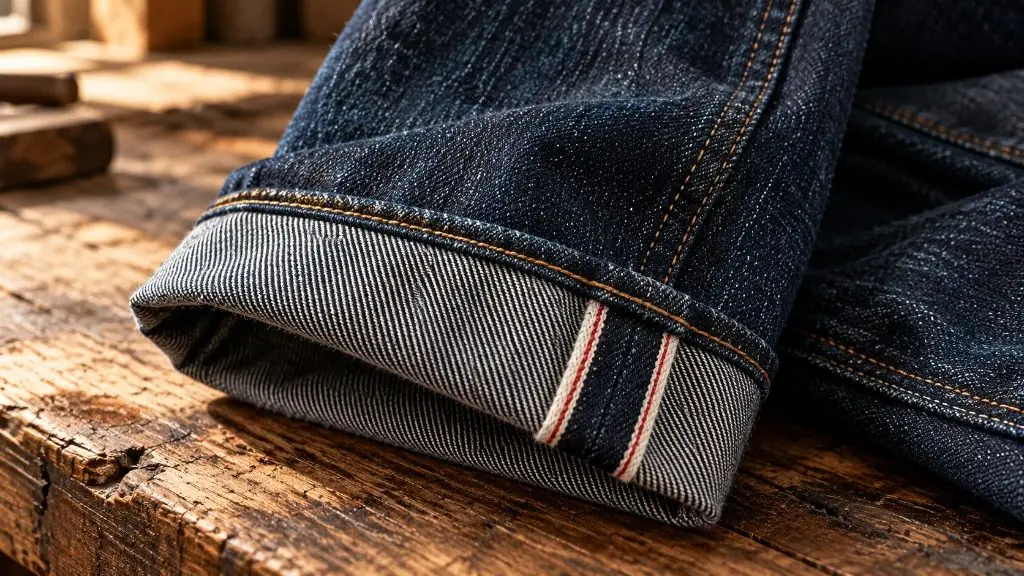
Is Japanese Selvedge Denim Actually Special? Or Raw Fashion Pretension?
Why denim nerds happily pay $300 for jeans woven on vintage 1950s Toyoda shuttle looms in Okayama, Japan.
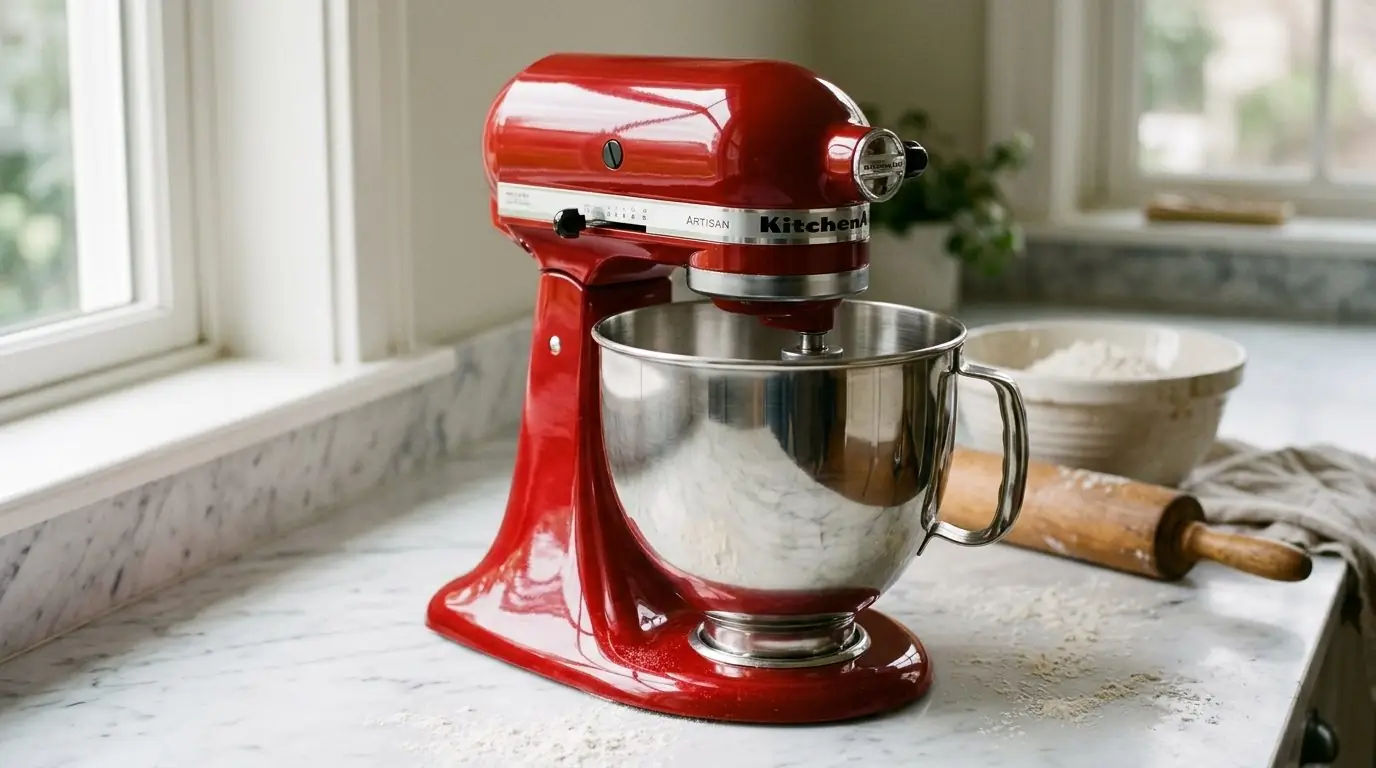
Is the $450 KitchenAid Artisan Stand Mixer Actually Special? Or Just Countertop Decor?
A mechanical autopsy of the world's most famous stand mixer. Why planetary gearboxes and 26 pounds of die-cast zinc crush modern plastic appliances, and where its mechanical limits lie.
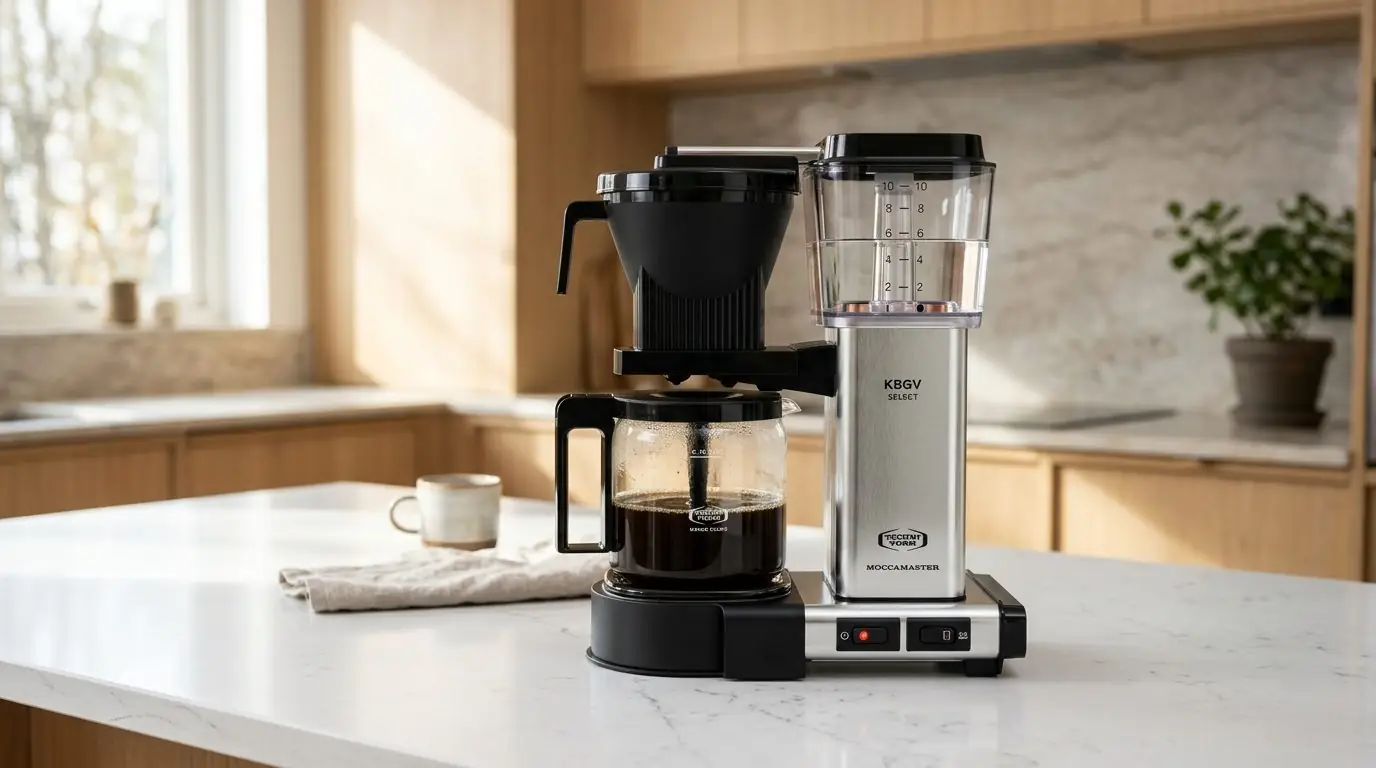
Is the $360 Moccamaster Actually Special? An Engineer's Teardown
A mechanical inspection of the iconic Dutch drip machine. Does handcrafted copper-element heating justify a 10x price premium over standard coffee makers?
Is the $25 Lodge Cast Iron Skillet More Special Than a $300 Luxury Non-Stick Pan?
Why high-tech chemical non-stick cookware ends up in a landfill within three years, while a chunk of molten iron from Tennessee lasts four generations.